ADVERTISEMENT
Is Red Meat Healthy?
To understand where this misconception of Red Meat being unhealthy comes from you have to understand the types of studies that show this supposed link. These studies are called observational or epidemiology studies. We see these studies cited all the time in the media and they report it as though it is fact.
Then there is the absolutely absurd studies; such as THIS study with the headline “Eating red meat and processed meat hikes heart disease and death risk”. They found eating two servings of red meat, processed meat or poultry — but not fish — per week was linked to a 3 to 7% higher risk of cardiovascular disease.” Remember, anything less than 200-300% correlation isn’t even worth considering for causation due to the nature and flaws of this type of study. But with a 3% correlation they don’t say “minuscule or irrelevant”, no they go on to state “It’s a small difference, but it’s worth trying to reduce red meat and processed meat like pepperoni, bologna and deli meats,” said senior study author Norrina Allen, associate professor of preventive medicine at Northwestern University Feinberg School of Medicine. “Red meat consumption also is consistently linked to other health problems like cancer.” So instead of stating the truth, that this level of “correlation” is meaningless, they double down and state that meat causes cancer anyway as if that was just a fact.
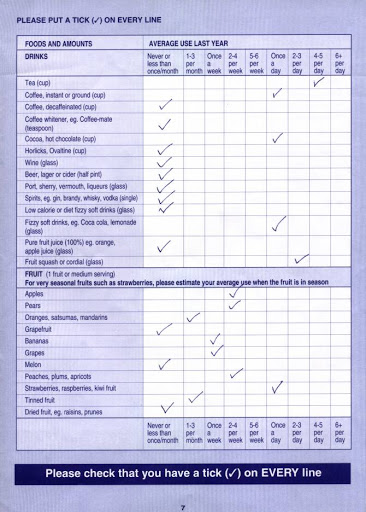
You are asked to fill in for each food how often in the last year you have eaten it. First, you will notice there isn’t a “I can’t remember”. You are forced to answer for each food if you remember or not. Second, how accurately can you remember what you ate over the last year? This is why the threshold for finding possible correlations is so high. If it isn’t 200-300% or more, it could as easily be user error or confounding factors, not causation. And that brings us to the confounding factors. There is no distinction between grass fed beef or the soy filler and junk filled fast food burgers. They are all included in beef. Also, there is no separation for the bun or ketchup. So, your answers for hamburger, is it the beef or the gluten-filled bun and sugar-filled ketchup slathered on it that was the issue?
These types of studies are filled with confounding factors, error, healthy user bias and other things that can make the results questionable, even if the correlations are 200-300%. But the studies commonly cited for meat causing cancer don’t even come close to this level of correlation. Most are in the 15-30% range, making the results meaningless. But they aren’t reported that way in the media. It gets reported as fact that meat causes cancer.
DOES MEAT CAUSE CANCER?
Denice Minger has done an exhaustive analysis HERE of this study showing all its flaws. She also shows using their own data how, many times, if you look for other factors like grains you find even stronger correlations. She also finds contradicting evidence to their claims on meat, right in their own data. This brings up another good point. That is the motivations behind the researchers (or those funding them), or in this case, the motivation of Thomas Campbell, the man who wrote the best-selling book about it. You aren’t going to find what you aren’t looking for. If you are searching for correlations of meat to cancer, you might find some in this type of data. But what about sugar, grains or other correlations. If you aren’t looking for them, you won’t find them.
Here is an example. Denise took the raw data from this study and looked for the correlation of wheat consumption and cancers. The results are much greater than any of the red meat correlations.
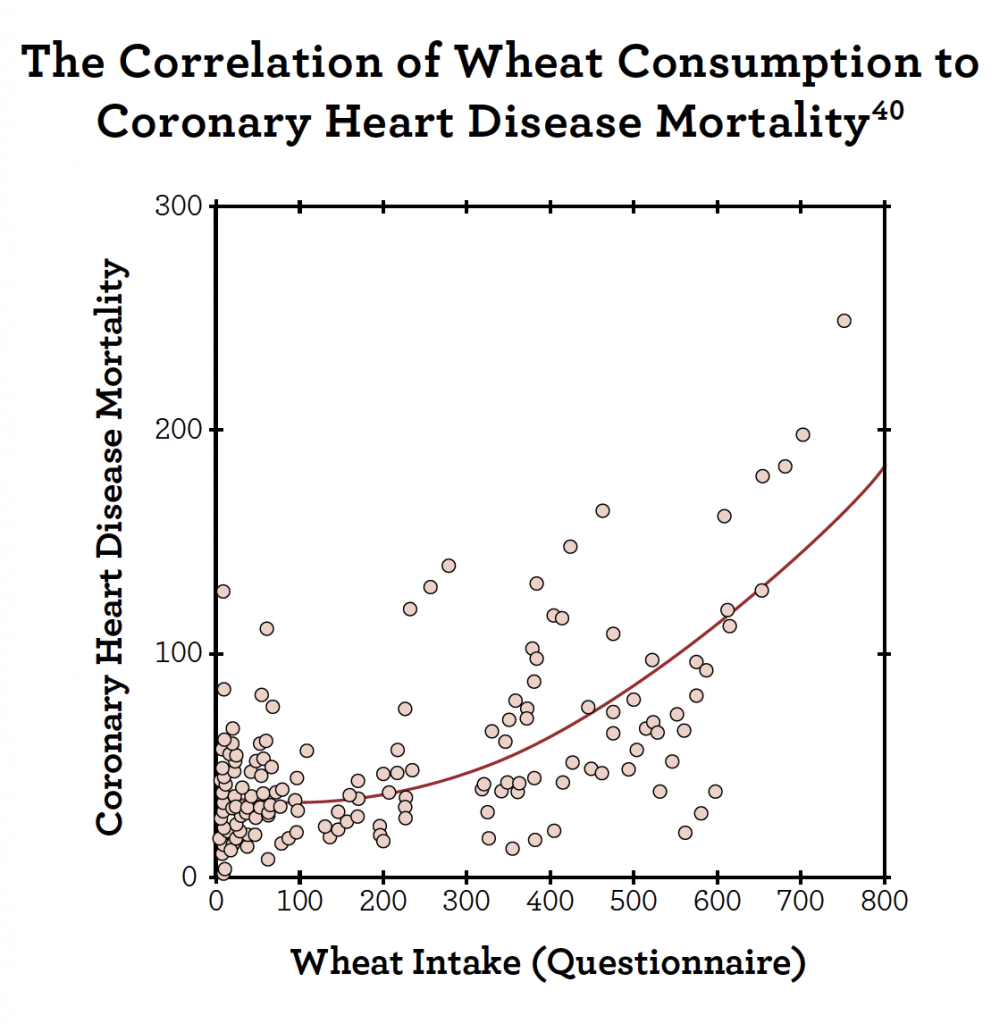
This chart is from the China studies own data (put together by Denise Minger in the above link). As you can see wheat has a huge correlation to heart disease. As Denise summarizes,
“Why does Campbell indict animal foods in cardiovascular disease (correlation of +1 for animal protein and -11 for fish protein), yet fail to mention that wheat flour has a correlation of +67 with heart attacks and coronary heart disease, and plant protein correlates at +25 with these conditions?
Why does Campbell overlook the unique Tuoli peoples documented in the China Study, who eat twice as much animal protein as the average American (including two pounds of casein-filled dairy per day)—yet don’t exhibit higher rates of any diseases Campbell ascribes to animal foods?”
A quick google search and you will find many. I did this and found THIS one, which claims red meat increases colon cancer risk. The results, 20% increase. Well below the 200% threshold and was it the meat of the wheat in the bun that caused the increase? And who funded the study? Livestock, Environment and People (LEAP), an organization promoting vegetarian diets. Again, if you are looking for a correlation in these types of studies, you will probably find it. But if you looked for correlation to say, wheat or sugar, would you get the 200% you are looking for? My guess is yes, but they aren’t looking for that in these studies, just trying to demonize red meat. Chris Kresser does a good job of breaking down the flaws in these studies like he does HERE for another study that made the rounds in the media.
Finally, there was an analysis recently done on all the existing data and studies on meat and cancer. You can read it HERE. They analyzed 24 articles and 12 randomized trials (these are the gold standard of studies where things are controlled, unlike epidemiology) and found that red meat had little or no effect on all cause morality. Here is their summary of the best existing data we have on meat and its link to health.
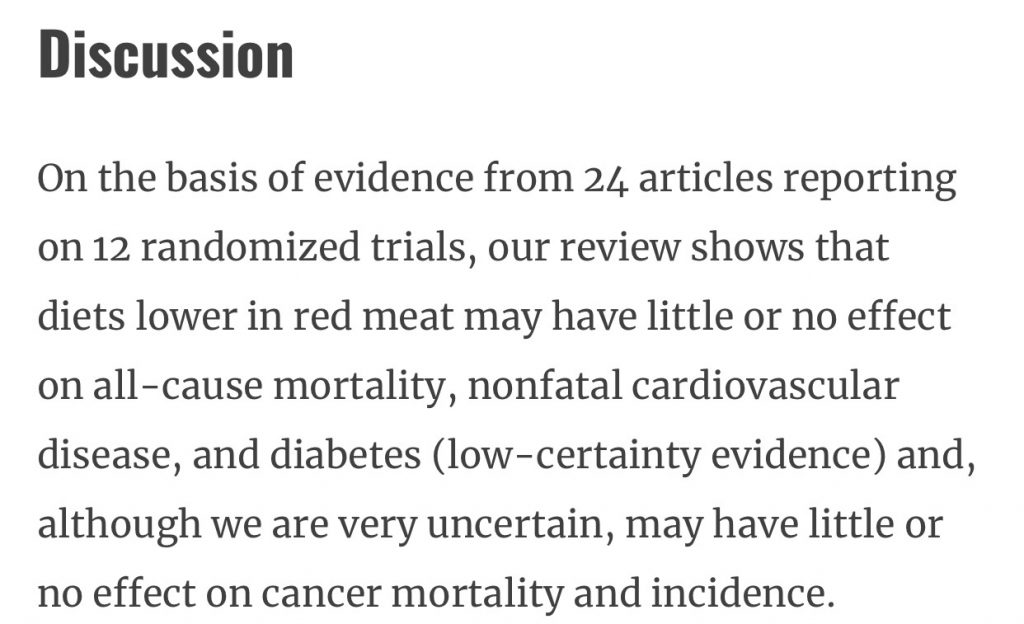
Little to no effect on all-cause mortality, nonfatal cardiovascular disease and diabetes. And may have little or no effect on cancer mortality and incidence. The evidence just doesn’t support the claims made. CLICK HERE for more information on why eating meat is healthy.
Summary
Epidemiology can have its place if it is used as it is intended. Find 200-300% correlations to determine what we should do proper controlled trials on to look for causation. But today we find weak correlations confounded with numerous issues that get stated as if it is a fact that eating a beef means you get 20% increase in cancer risk later in your life. That isn’t how this type of study is supposed to work. It is a tool to find areas to look into deeper IF there is strong correlation, which none of these “beef causes cancer” studies have ever shown.
All plants have issues that can cause people problems. People with depressed immune function or metabolic issues can be even more sensitive. I believe that is why Carnivore can be so helpful for those people. It allows the body to heal by putting less burden on it to detox and deal with these compounds it doesn’t want. Plus, healing is about getting enough protein (which you will with carnivore) and enough vitamins and minerals to enable your body to heal and rebuild. Some plants to rob the body of these nutrients. Animal proteins are some of the most nutrient dense foods you can eat which gives the body what it needs to heal.
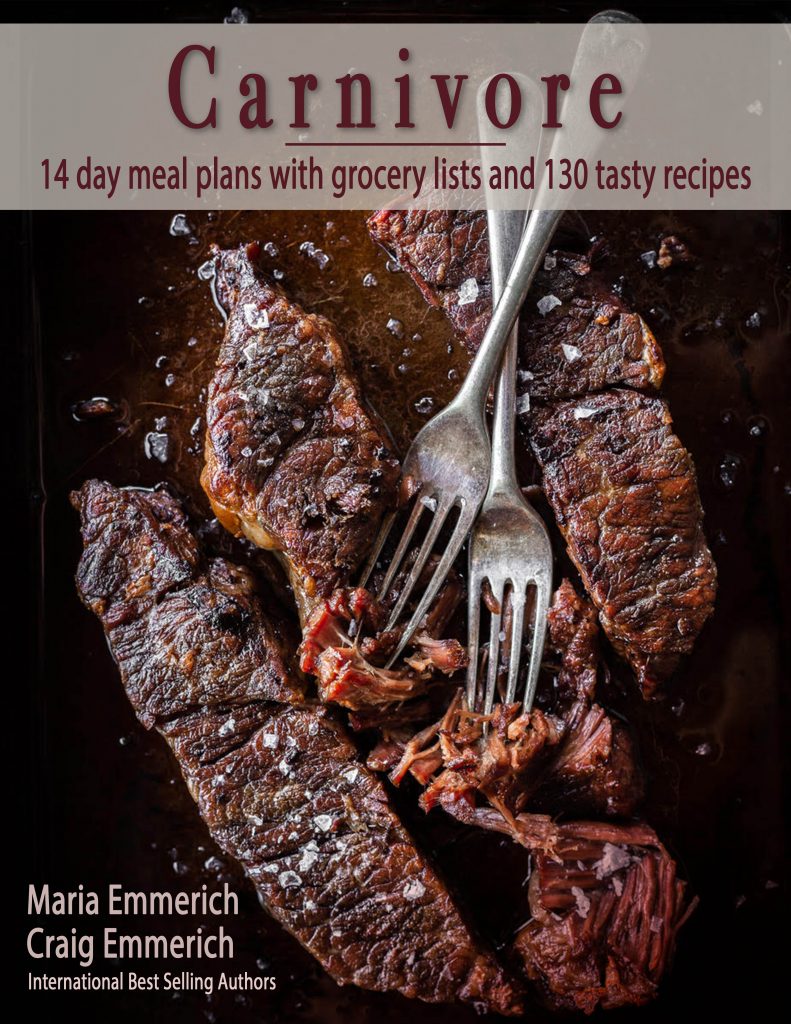
Click HERE to find our new Carnivore Cookbook! Filled with delicious and healthy recipes and meal plans!
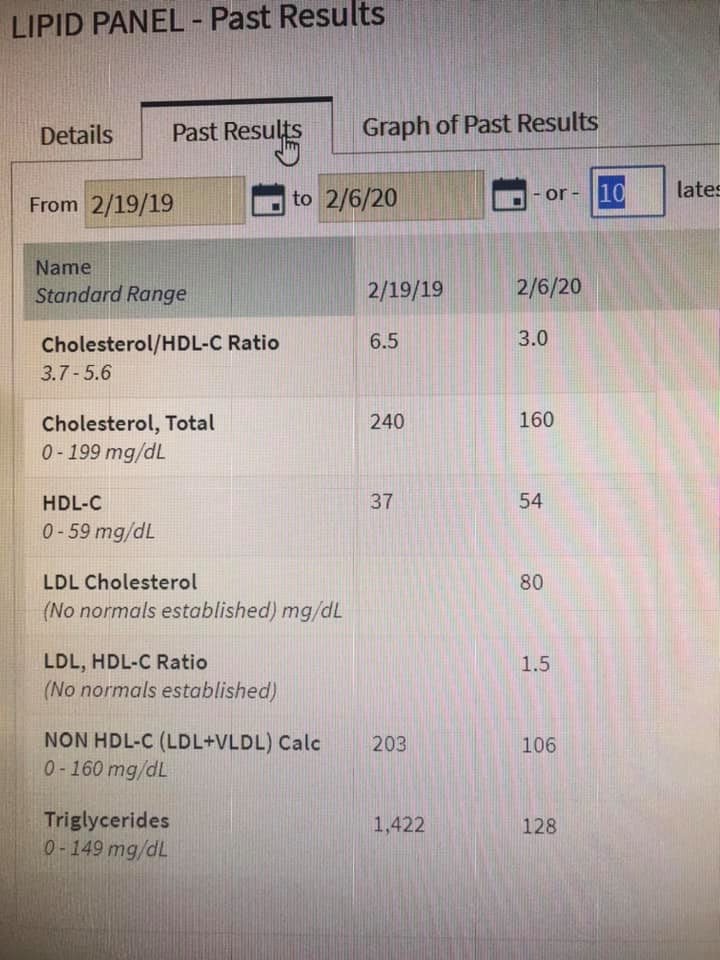
TESTIMONY OF THE DAY
Most people I consult are doing keto totally wrong. Get fast results with the my NEW Keto Packages!
Click HERE to check out my NEW Keto Packages!
ADVERTISEMENT
